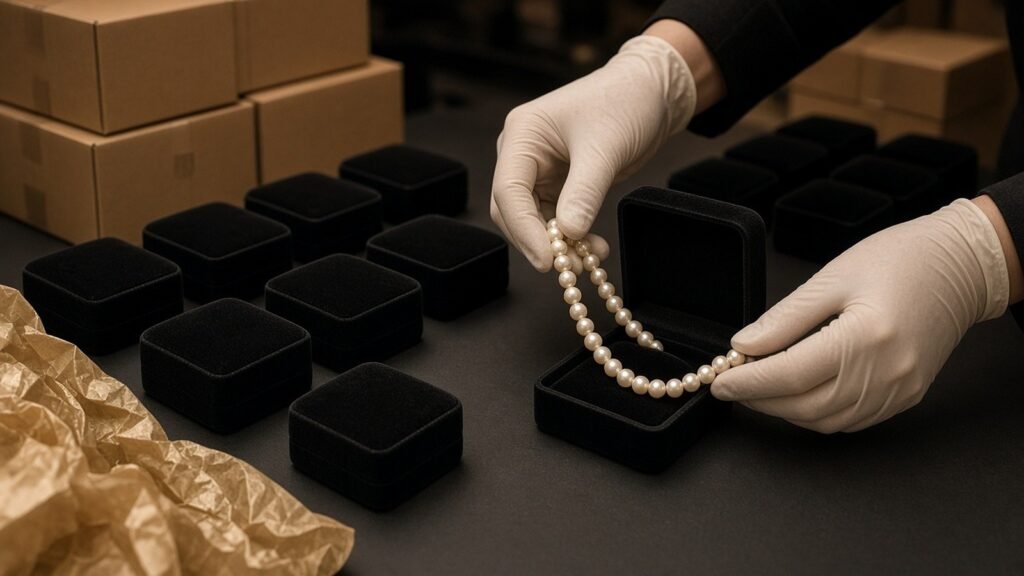
Retail product pages optimize for a single SKU decision. Manufacturer sourcing optimizes for repeatable supply: matched batches, documented tolerances, packaging that survives freight, and a sample-to-bulk path that does not surprise either side. RPDHVUI works across pearl, moissanite, and lab gem lines; this Insights piece focuses on loose moissanite and lab-grown color gems for buyers who need OEM or wholesale clarity.
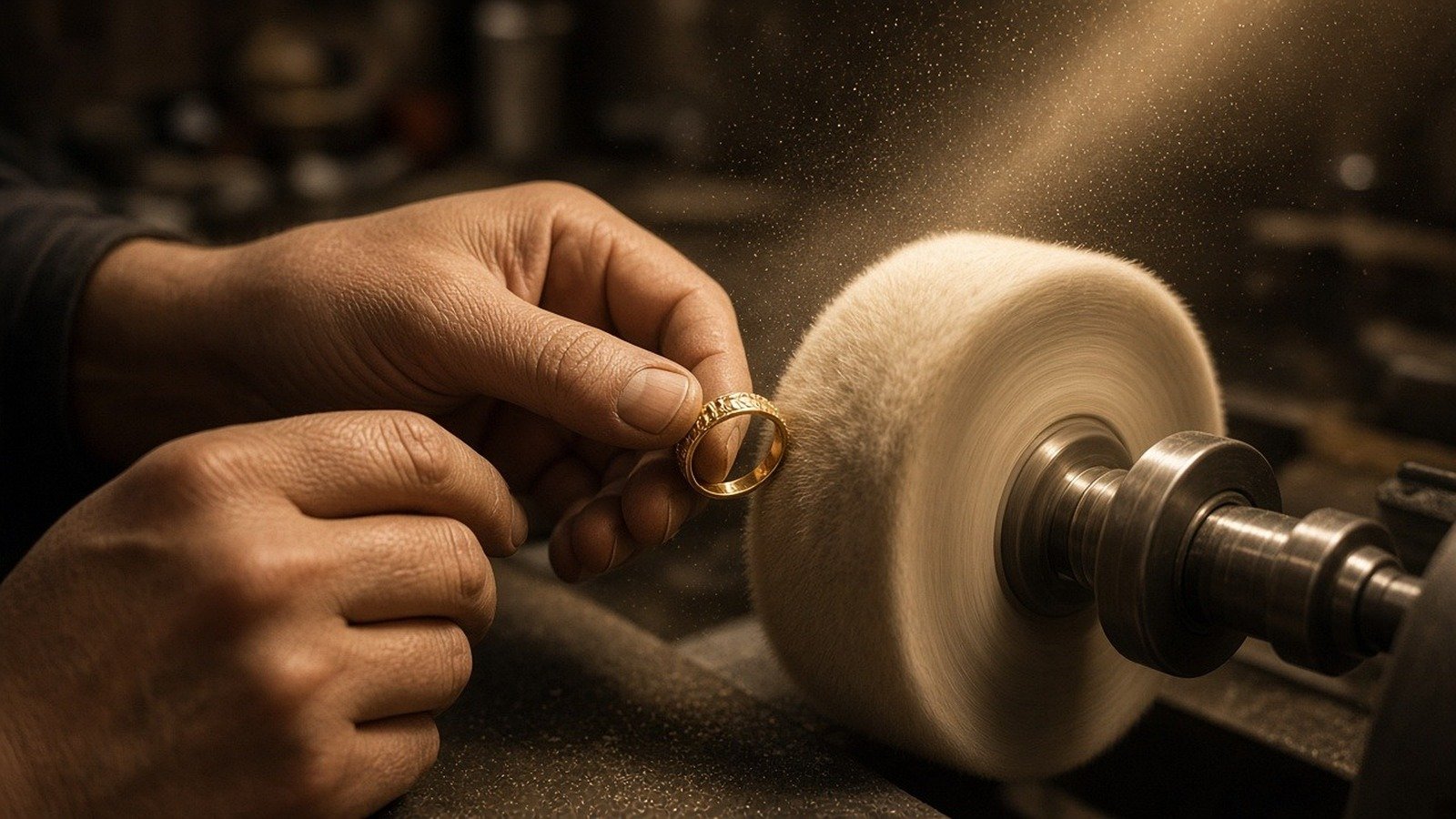
The costly mistakes are predictable: vague color language, missing millimeter tolerances, certificates that do not match the packed goods, and MOQ conversations that start after samples already locked a design. The steps below are written for procurement, brand founders, and jewelry programs that will reorder—not for one-off souvenir buys.
Build the spec sheet before you ask for a price
A usable RFQ starts with a spec sheet. If a field is unknown, mark it “open” rather than inventing a number. Manufacturers can quote faster from incomplete-but-honest specs than from marketing adjectives.
| Spec field | What to write | Why buyers miss it |
|---|---|---|
| Material | Moissanite / lab sapphire / lab ruby / etc. | Saying “gemstone” forces clarification loops |
| Shape and cut | Round brilliant, oval, emerald, pear… | Face-up size depends on cut style |
| Size | mm range with tolerance (e.g. 6.5mm ±0.05) | Caliper mismatch kills setting fit |
| Weight | ct range or “match mm priority” | mm-first vs ct-first must be stated |
| Color / clarity language | Reference photos + grade words you actually use | Letter codes without a legend confuse teams |
| Quantity ladder | Sample qty + first bulk + reorder estimate | Price breaks need a volume story |
| Certificate needs | None / GRA / other — per piece or per lot | Cost and lead time change with paperwork |
| Packaging | Parcel paper, labeled bags, branded cards… | Unlabeled bulk slows receiving |
MOQ, sampling, and the path to bulk
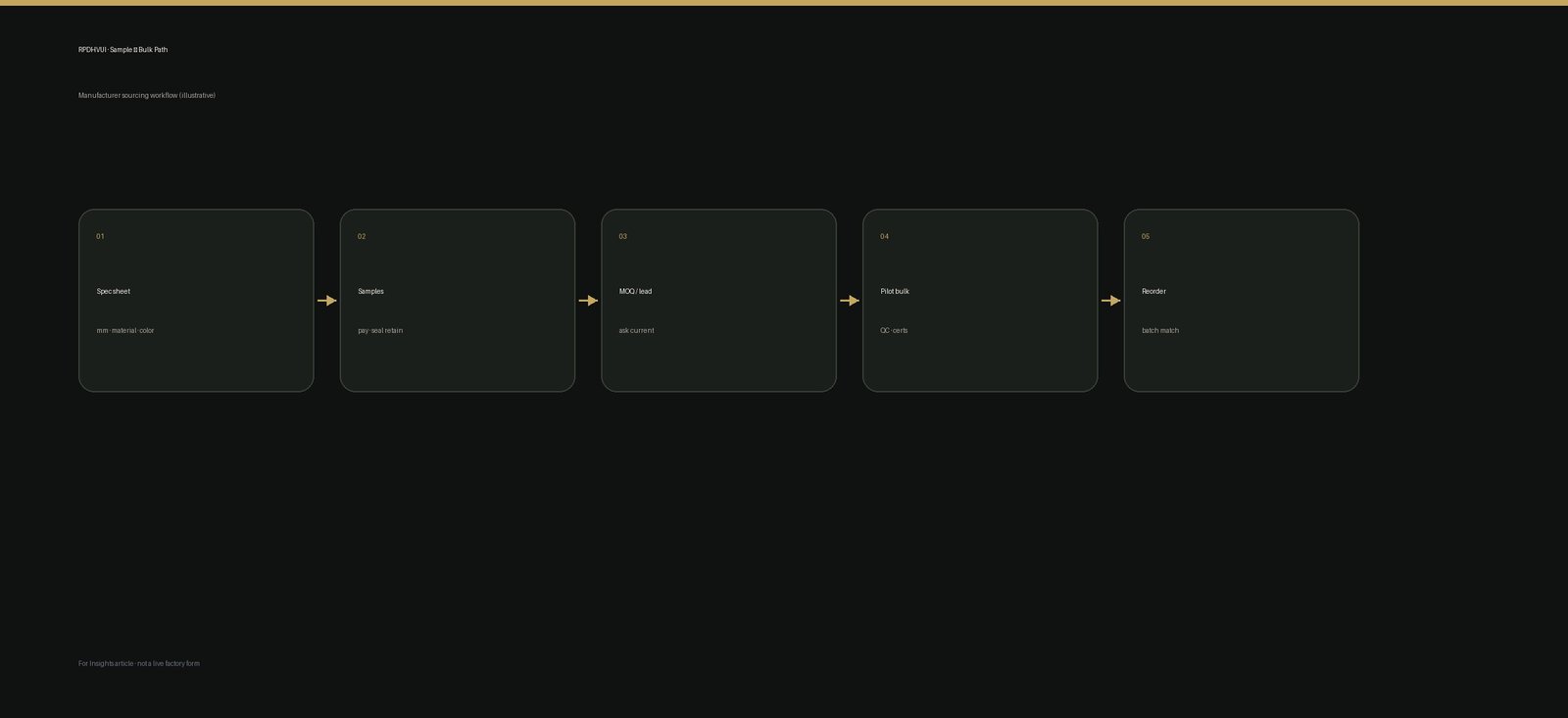
- Align on use case. Loose restock, setting program, or mixed wholesale assortment? The QC bar differs.
- Request representative samples. Pay for samples when needed. Free samples that do not match bulk color are more expensive later.
- Approve a sealed standard. Keep photo + mm notes + one physical retain if possible. That becomes the reorder reference.
- Confirm MOQ and lead time in writing. Ask for current MOQ by shape/size. Do not publish frozen numbers on a blog if they change with inventory.
- Pilot bulk before a full season buy. A medium first order validates sorting, certificates, and packaging under real receiving conditions.
- Lock reorder cadence. Share forecast windows so cutting and grading capacity can be planned.
MOQ is not a loyalty test; it is how factories batch cutting, grading, and packing efficiently. If your brand needs smaller trials, say so early and ask which shapes already have ready inventory versus custom production.
QC checklist for incoming loose stones
- Count and SKU labels match packing list
- Spot-measure mm on a random sample from each size
- Color consistency vs approved retain / photo standard
- Surface cleanliness and obvious chips at girdle/culet
- Certificate documents present when purchased with cert
- Photo a discrepancy lot before remounting or resale
Record QC status in your own system when goods arrive. Treat the list above as a receiving template—not a live factory form.
Questions serious buyers ask an OEM or manufacturer
- Which sizes and colors are ready stock vs made-to-order?
- What tolerance do you guarantee on calibrated mm goods?
- How do you handle mixed lots if one size fails QC?
- Can you match a previous batch if we reorder in 60–90 days?
- What certificate options exist, and is cert per stone or per lot?
- What is your standard export packing, and can labels use our SKU codes?
- Who is the commercial contact for revisions after sampling?
Strong suppliers answer with process, not slogans. RPDHVUI’s public brand position is manufacturer-side clarity across lines—including paths into JSEA pearl retail and Evernovah gem retail when a program needs both brand and supply.
Certificates, disclosure, and packaging
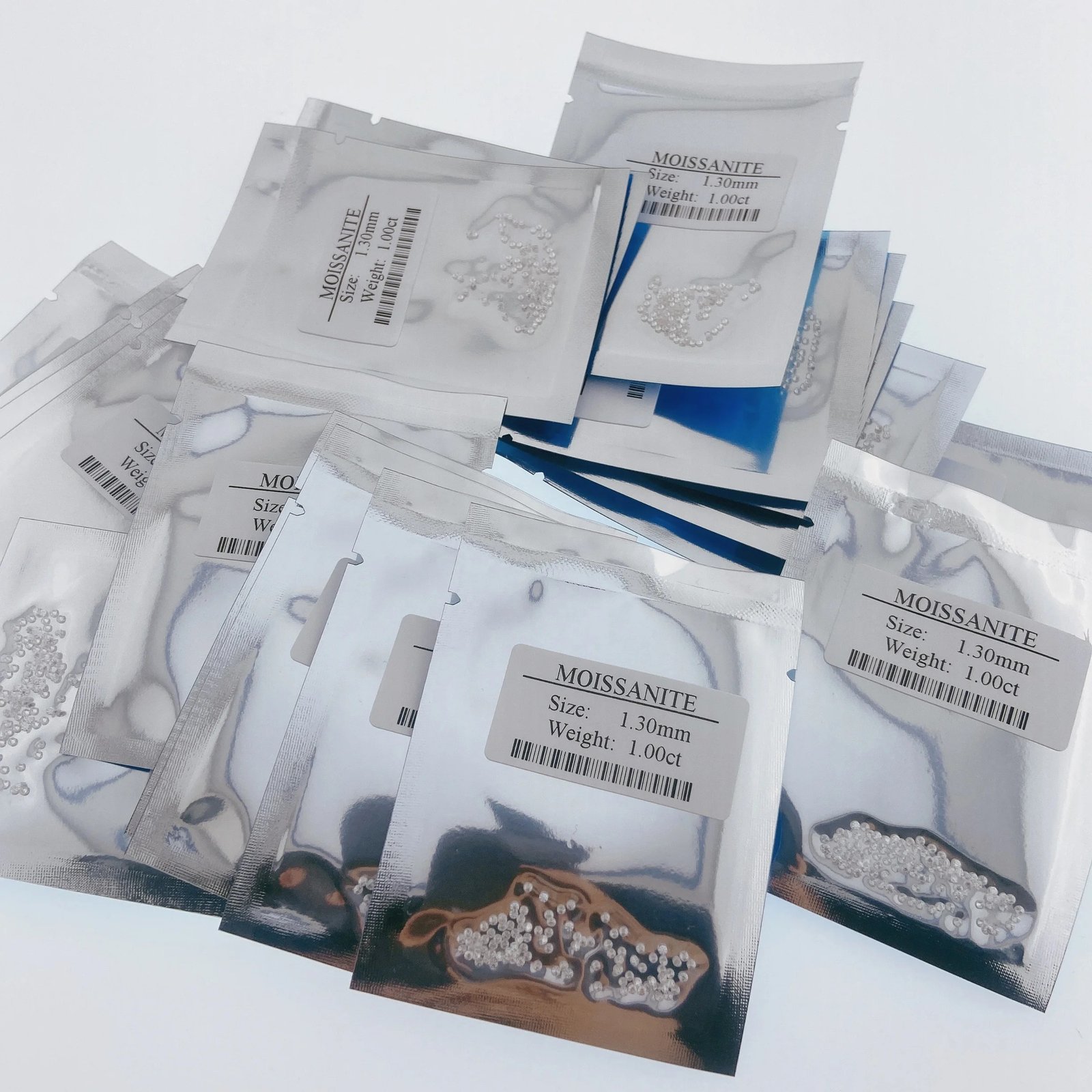
- Name the material correctly on invoices and packing lists (moissanite vs lab color gem vs diamond).
- If GRA or another report is included, tie report identity to the packed stone or lot in a way receiving can audit.
- Do not imply diamond-lab equivalence for moissanite paperwork. GRA ≠ GIA.
- Packaging should protect facets and speed warehouse check-in: size labels, material labels, and quantity per bag.
- For OEM jewelry beyond loose stones, add metal stamp, plating thickness expectations, and finish standards to the same packet.
Market trust in B2B is cumulative: on-time samples, boringly consistent reorders, and paperwork that matches the box. Insights content should teach that process so inbound OEM inquiries arrive already structured.